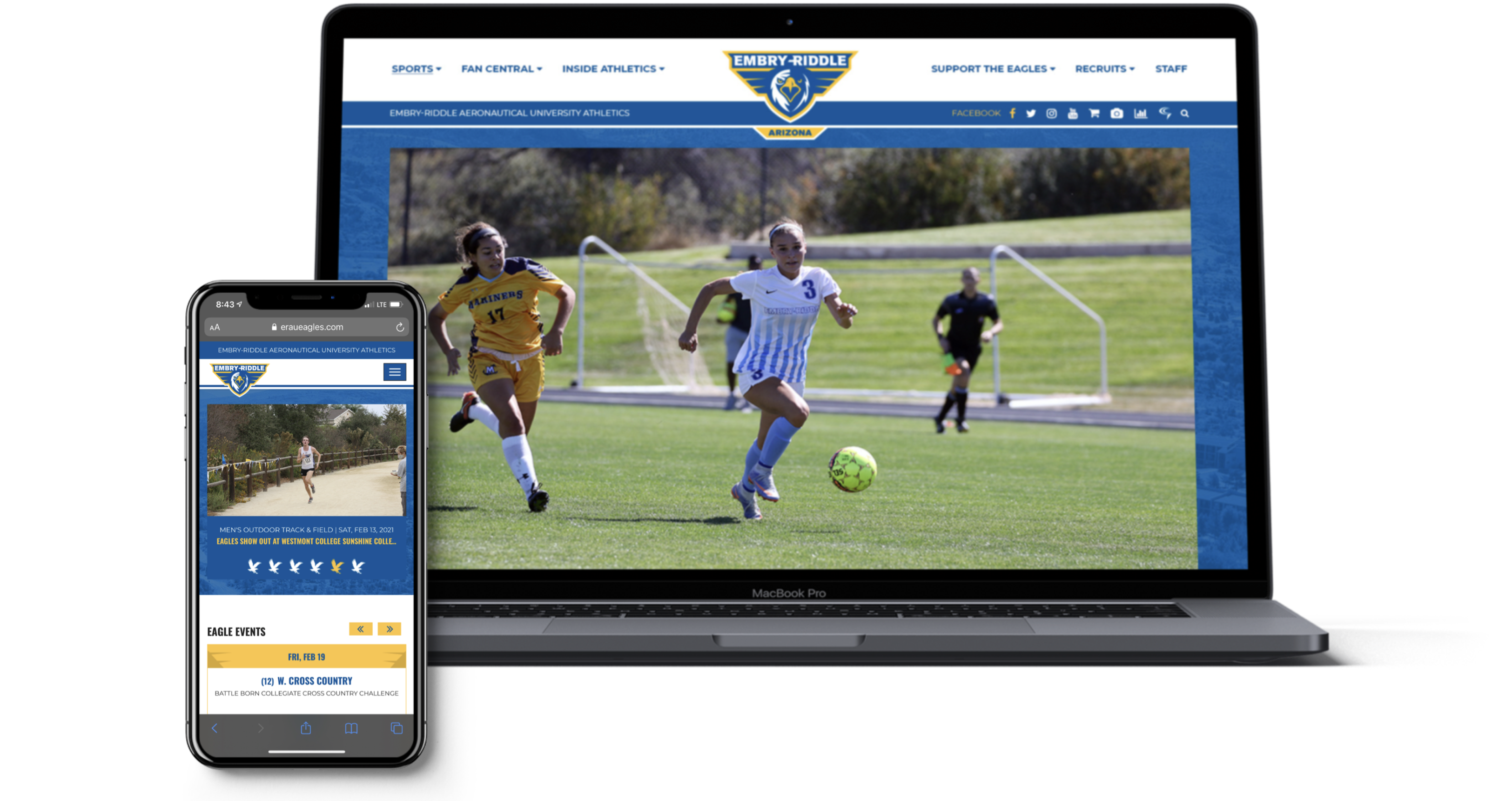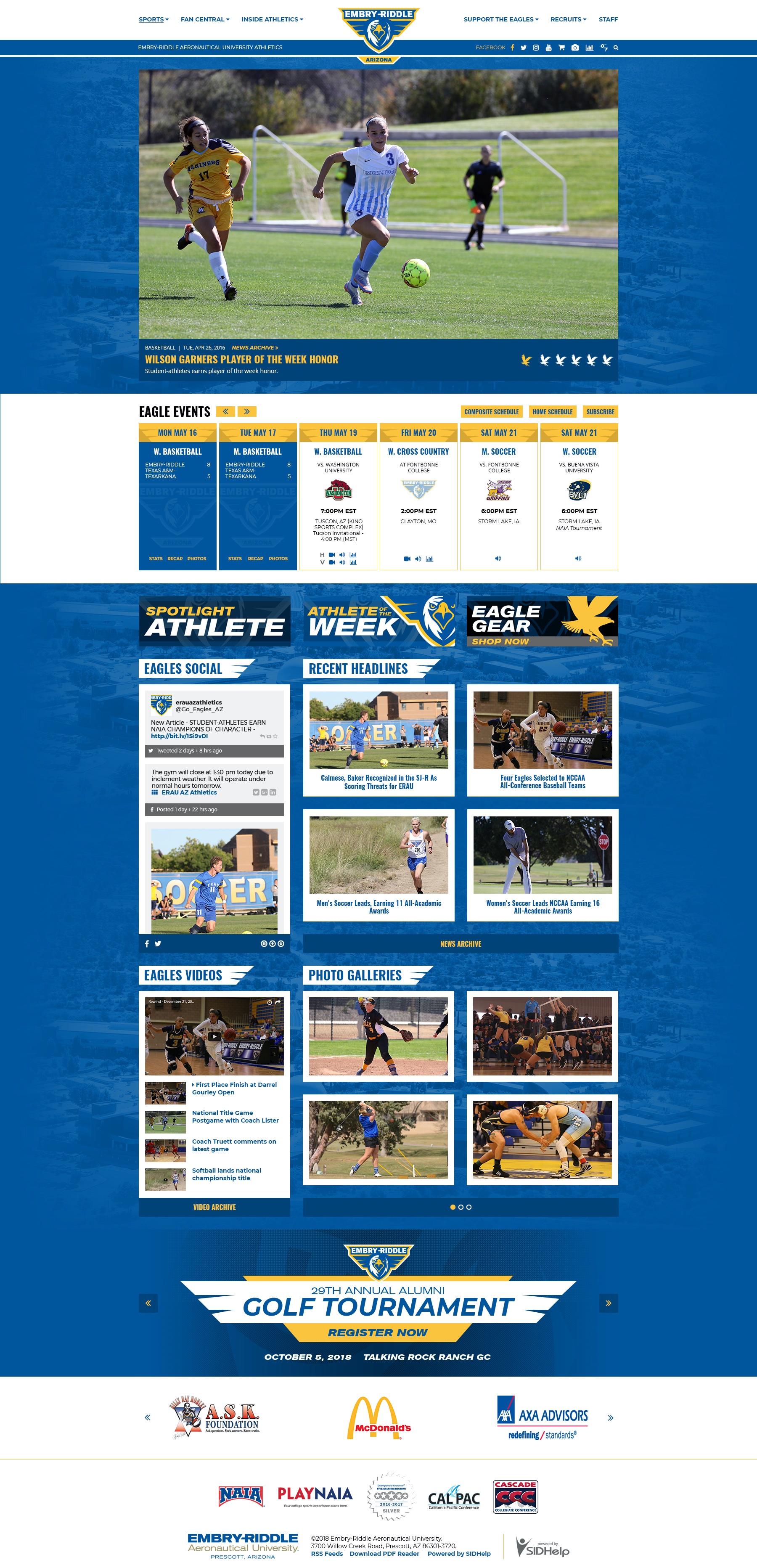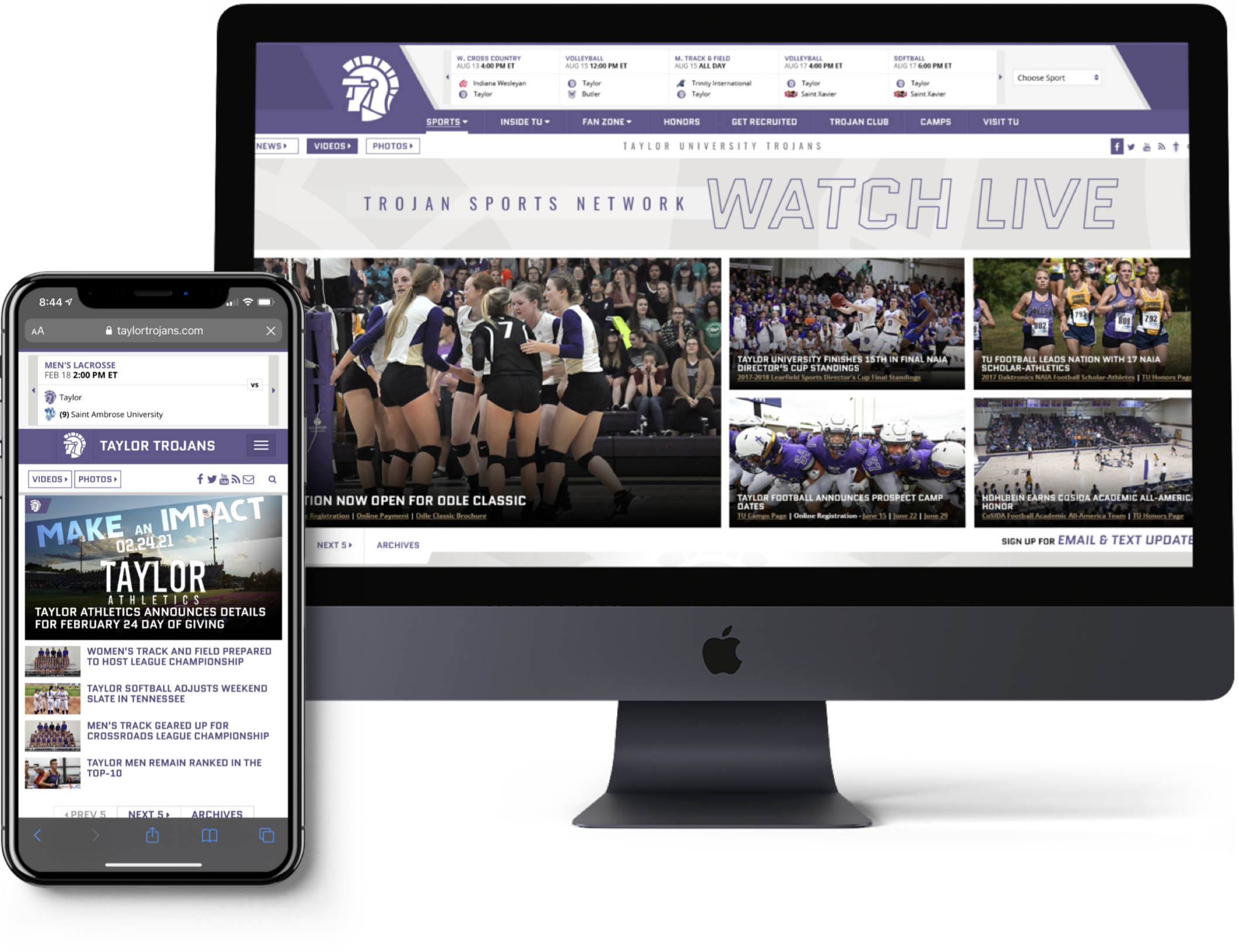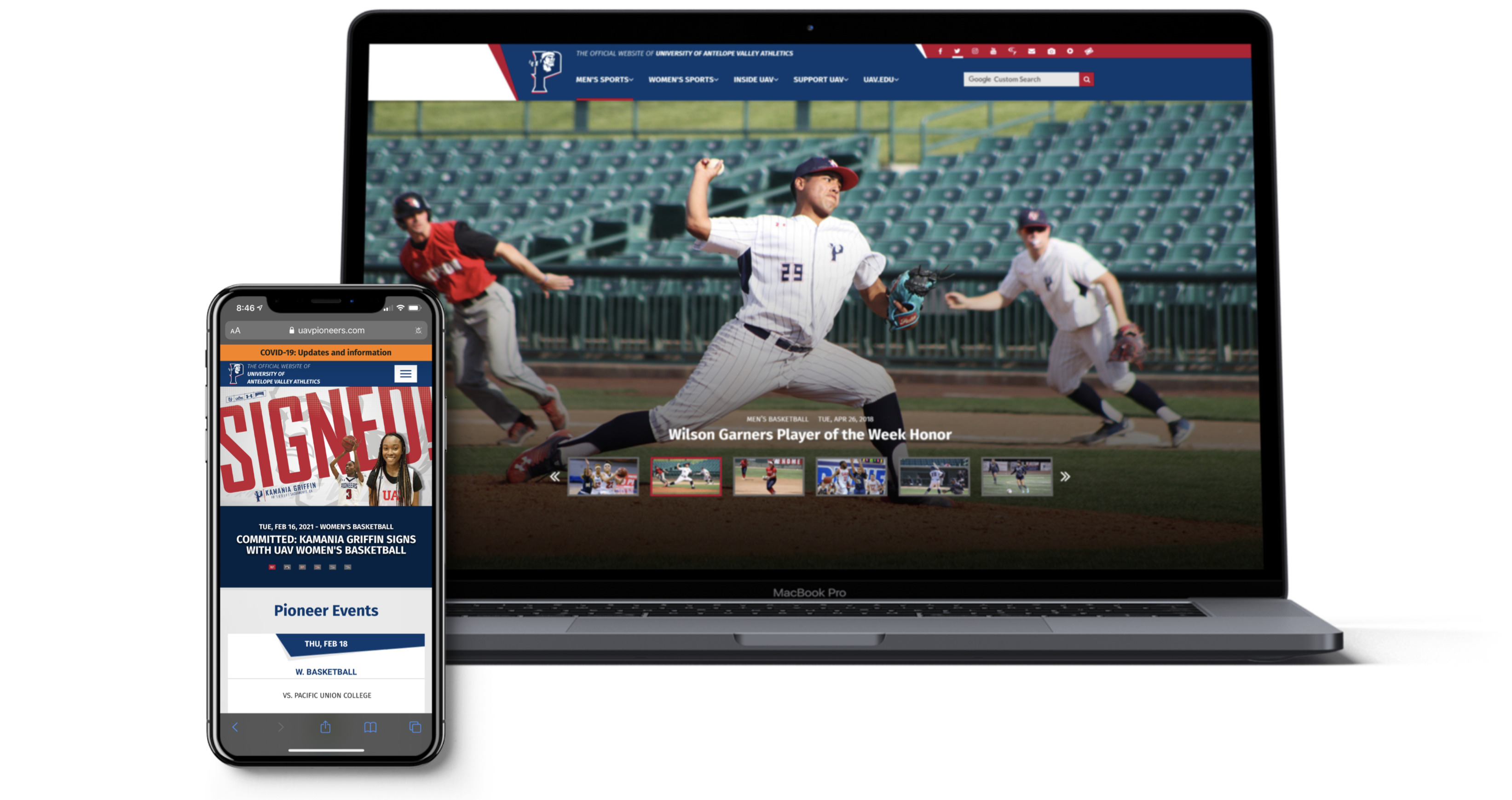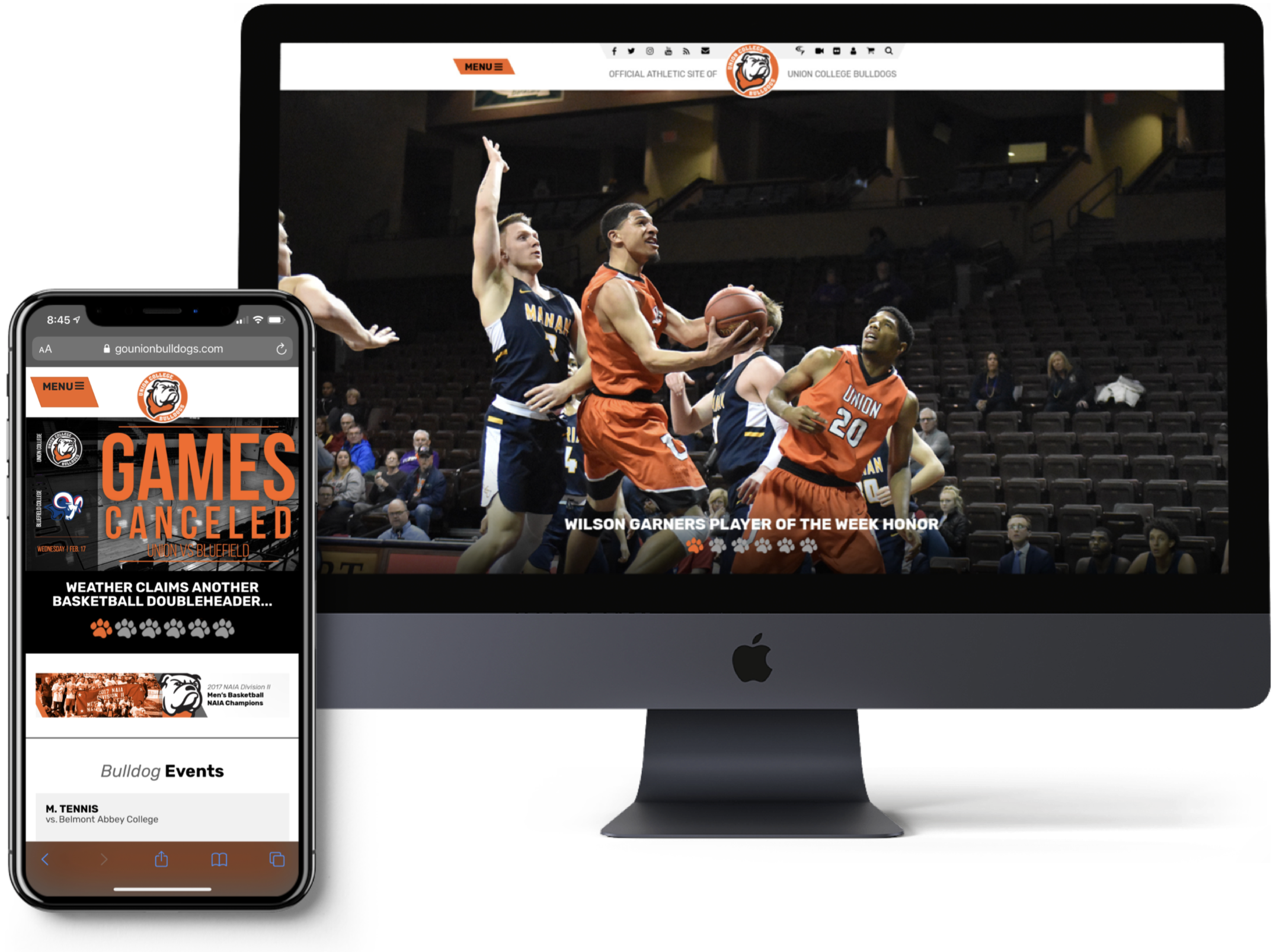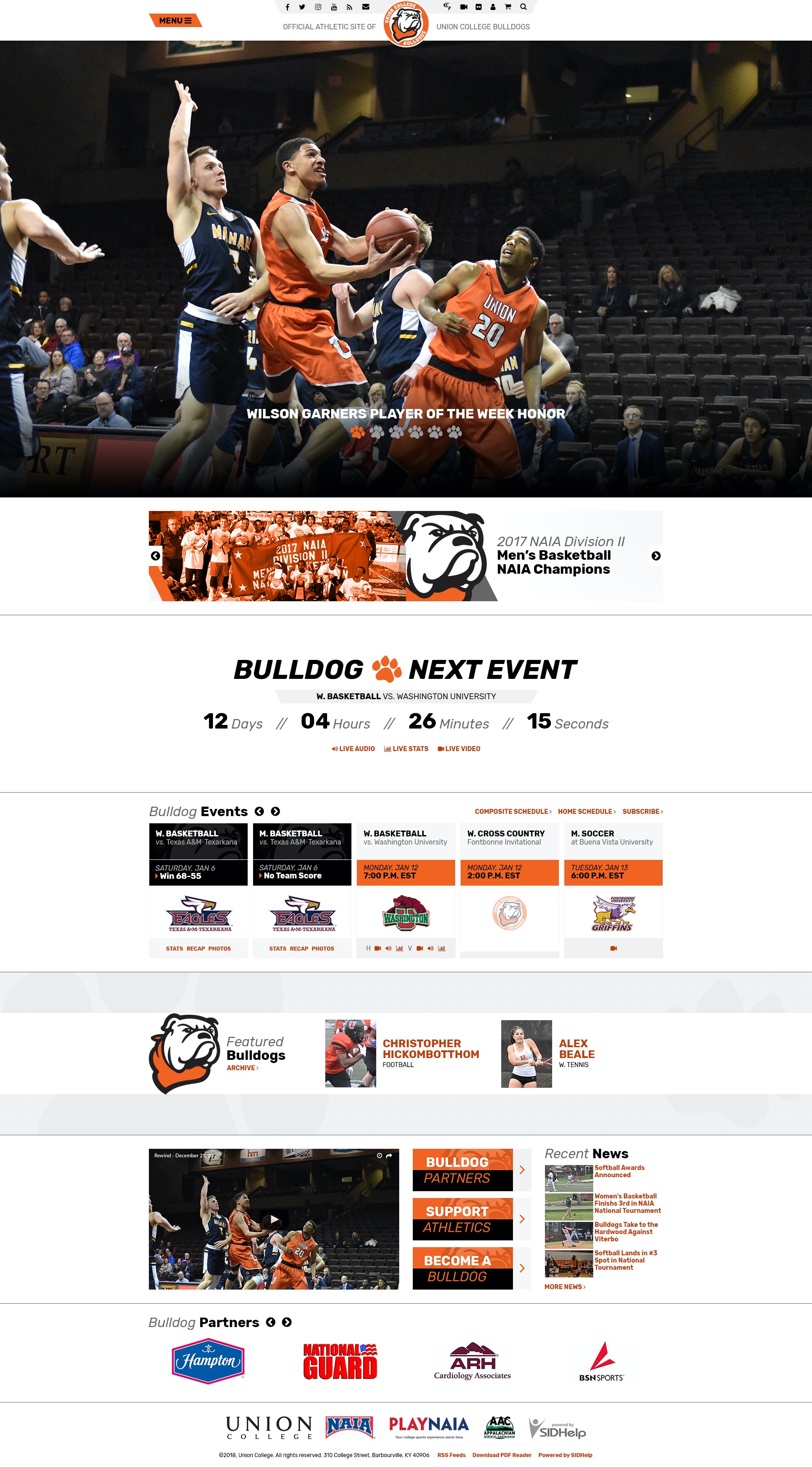
Black Diamond specialized in collegiate athletic web design. As in-house designer, I managed design production from start to finish: acquiring all design assets, meeting with the client to understand its brand and content needs, creating wireframes, and designing homepage artwork in collaboration with our in-house front- and back-end code developers. The client-approved homepage design was then brought to life by the development team, and its aesthetic applied site-wide for continuity.
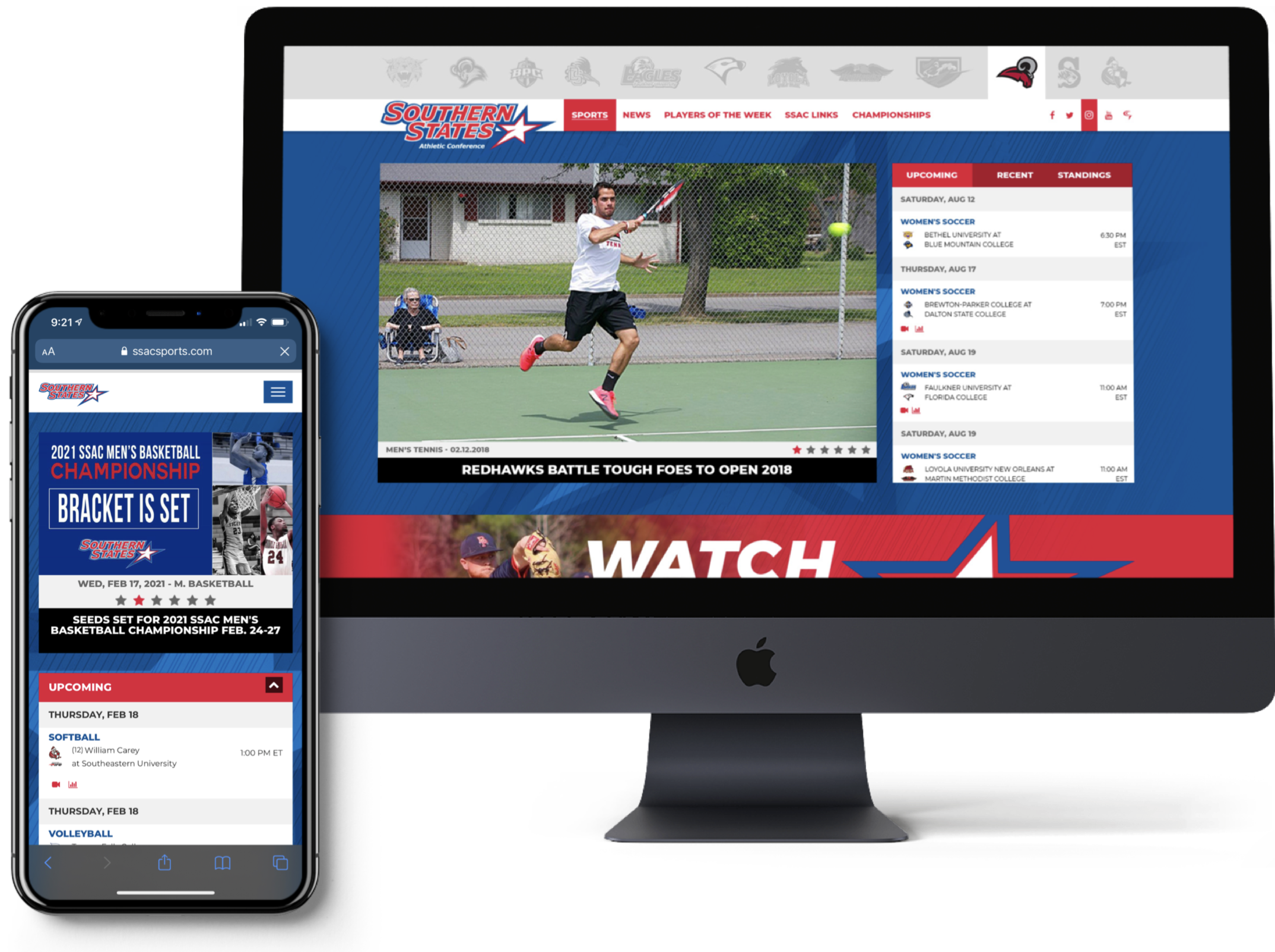
Every Black Diamond project began with collecting all necessary Design Assets from the client (e.g., logos, colors, fonts, placeholder imagery). A Design Interview soon followed, whereby we discussed the client’s brand identity, their overarching goals for the site, and the site’s content. This part of the process was the backbone for all production moving forward.











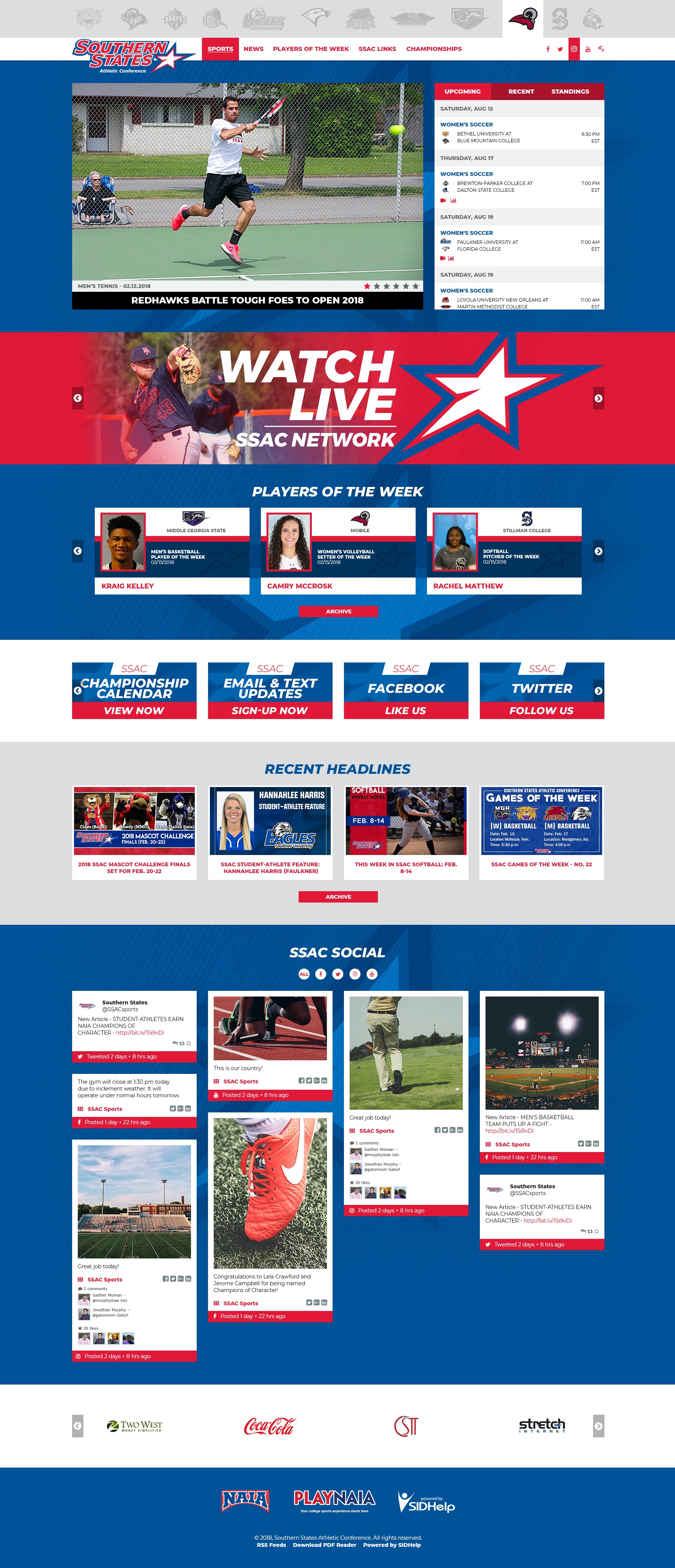
For SSAC and all such athletic web designs, Black Diamond only made a wireframe for the homepage design. Projects always required three unique wireframe layouts ahead of creating the artwork using Adobe Creative Cloud (Photoshop, Illustrator, and/or Dreamweaver). Wireframes were for internal view only and ensured that all of the client’s desired content was present and prioritized.
I would go beyond Black Diamond’s process in two ways:
1) Walk clients not only through the homepage wireframes but also each internal page type wireframe, and
2) Utilize a customized Stylescape (i.e., Visual Strategy phase) prior to the Design phase (i.e., Adobe CC). This helps mitigate changes beyond the Information Strategy phase (i.e., Wireframes) that could incur extra costs and production delays.
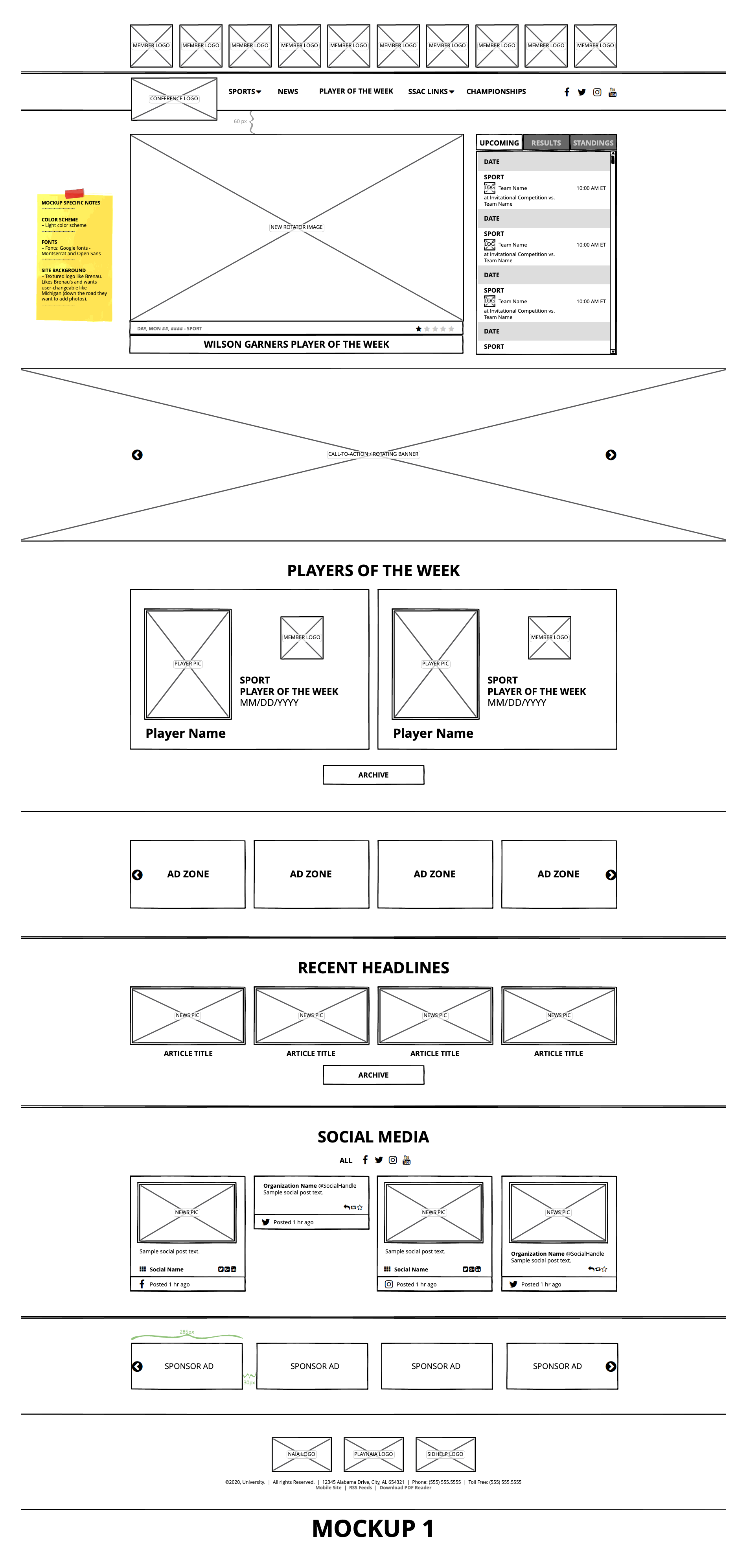
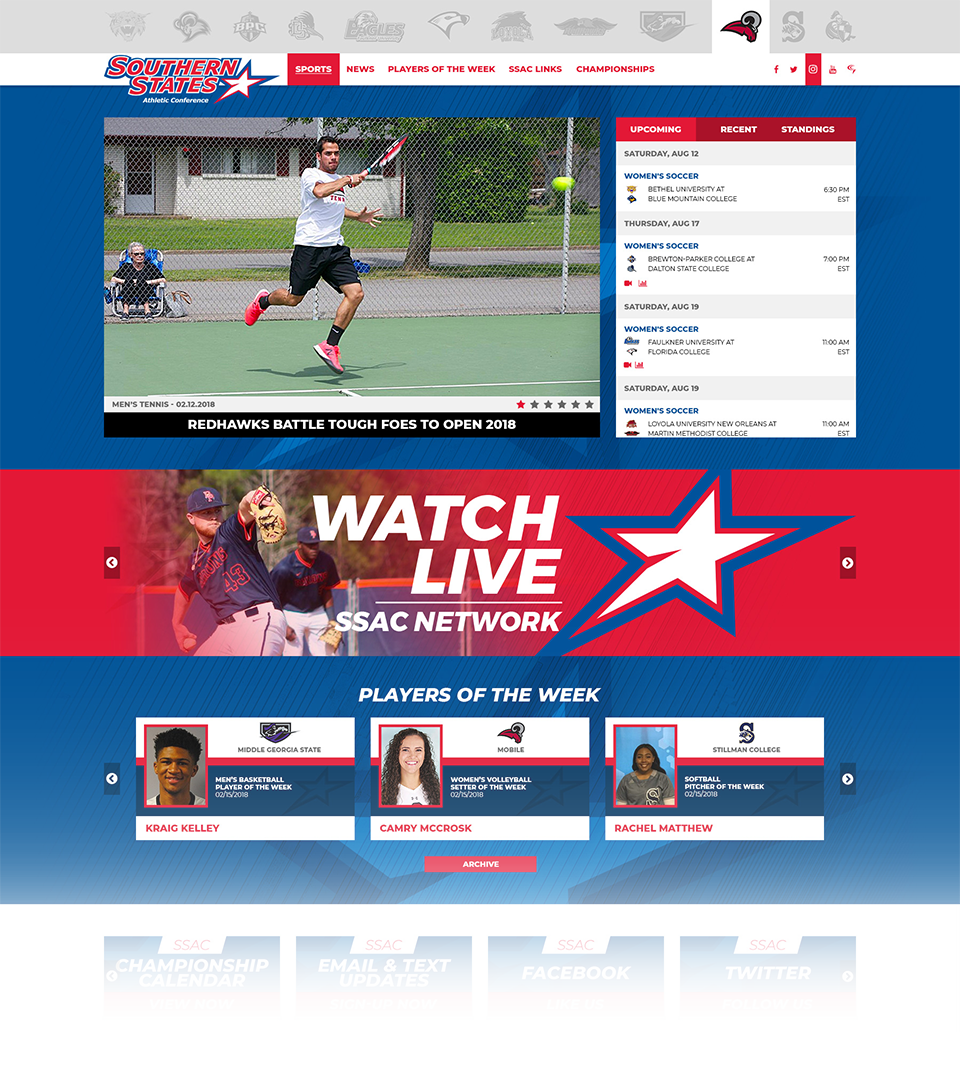
Mockups (Design phase) provided clients a polished preview of their homepage, and allowed them to make the design their own. Clients received three mockups for consideration with the option of combining elements from any of the three or approving one outright. After limited rounds of revision, the client approves a singular final mockup.
At Black Diamond, the Development phase involved front-end developers coding a homepage that closely resembled the approved mockup artwork. The client would receive a working homepage for review. Any significant layout changes incurred additional costs and production delays. Only upon approving the working homepage would applying the design aesthetic to the site’s templated inner pages proceed. Any inner page customizations were not the purview of Design; rather, the client would approve such changes with the Development team. Yet, the homepage design remained the aesthetic “true north” for the rest of the site’s design.